
While thousands of travelers speed along the Desert Road, maybe glancing at the snow-capped majesty of Mount Ruapehu, a smaller story sits quietly in the shadows. Most visitors can name the “Big Three” peaks of the Tongariro National Park, but few stop to acknowledge the tiny, pylon-crowned warrior standing guard on the edge of the Rangipo ring plain. This is the story of Te Roro o Taiteariki—a “wee guy” of a volcano with a bloody history, a lonely disposition, and a view of his older brothers that most hikers completely overlook.
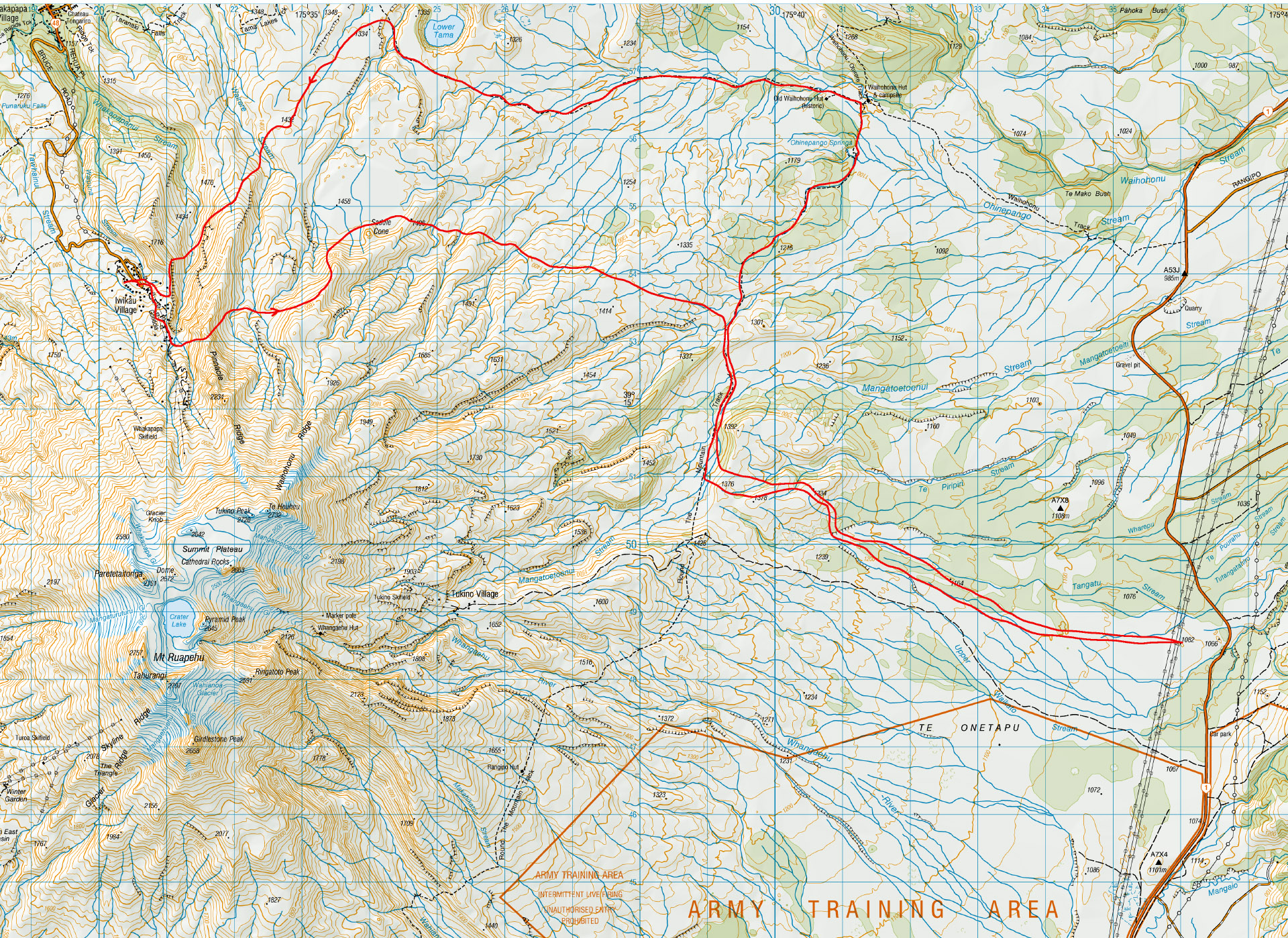
There are a total of about 50 volcanic vents in the Tongariro National Park area including Te roro o Taiteariki at the far edge of the Rangipo ring plain. Some are currently active, but most are still quietly dozing after thousands of years, but who could wake at any time. Everyone knows about the three highest peaks, Ruapehu, Ngāuruhoe and Tongariro, but there are many other lower ones, together with dozens of explosion craters such as the Tama Lakes—and even including some that are next to the main street in Ohakune.
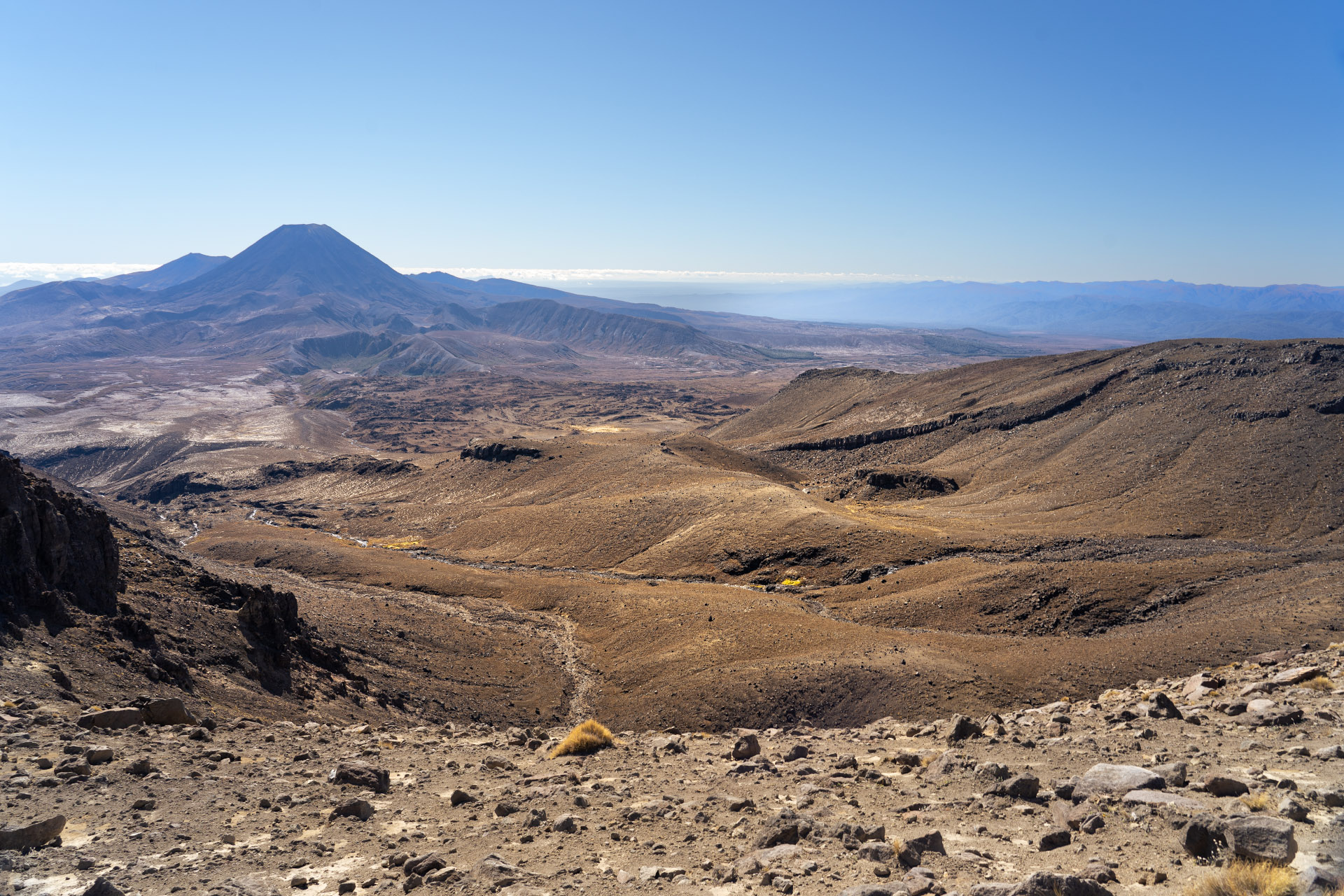
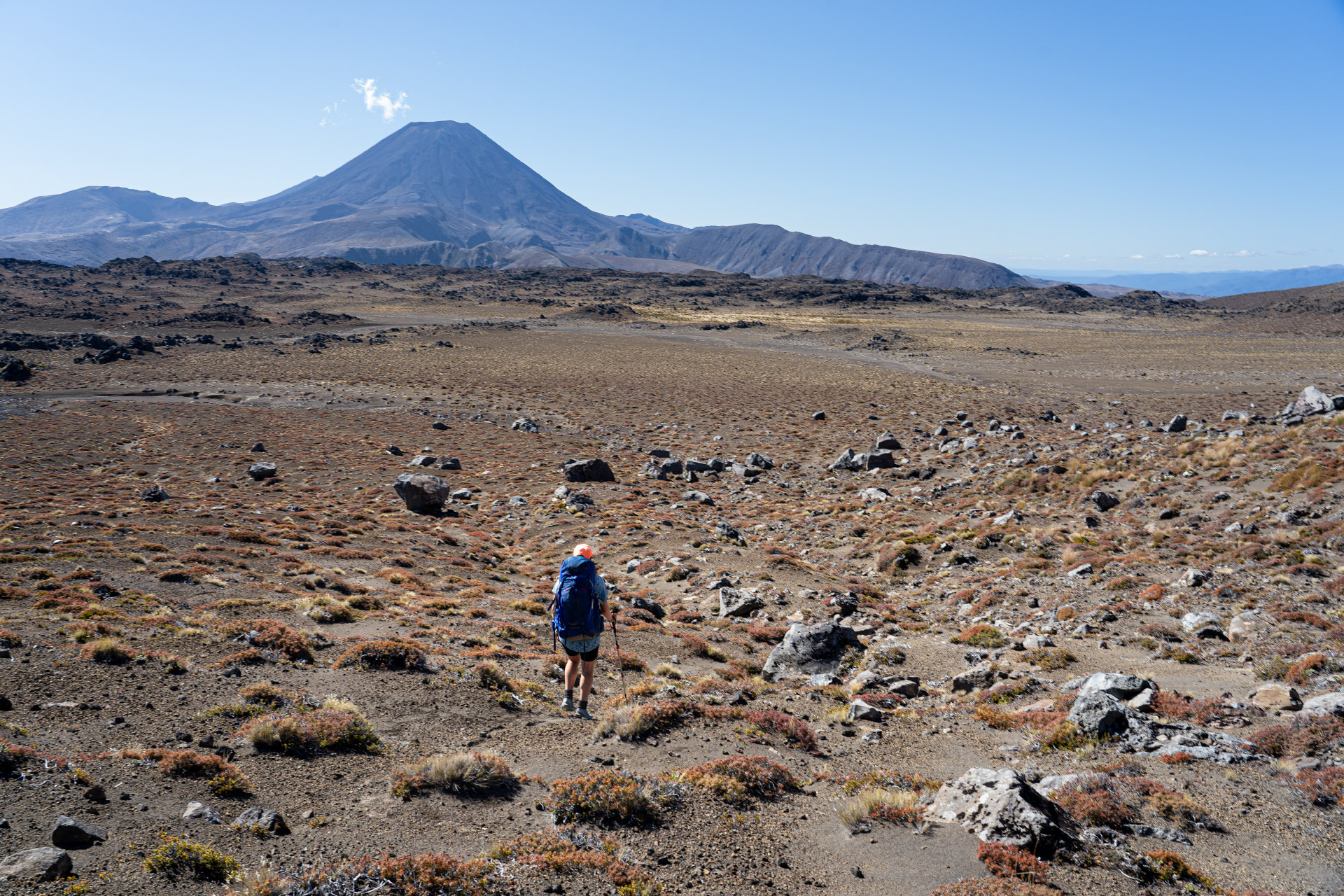
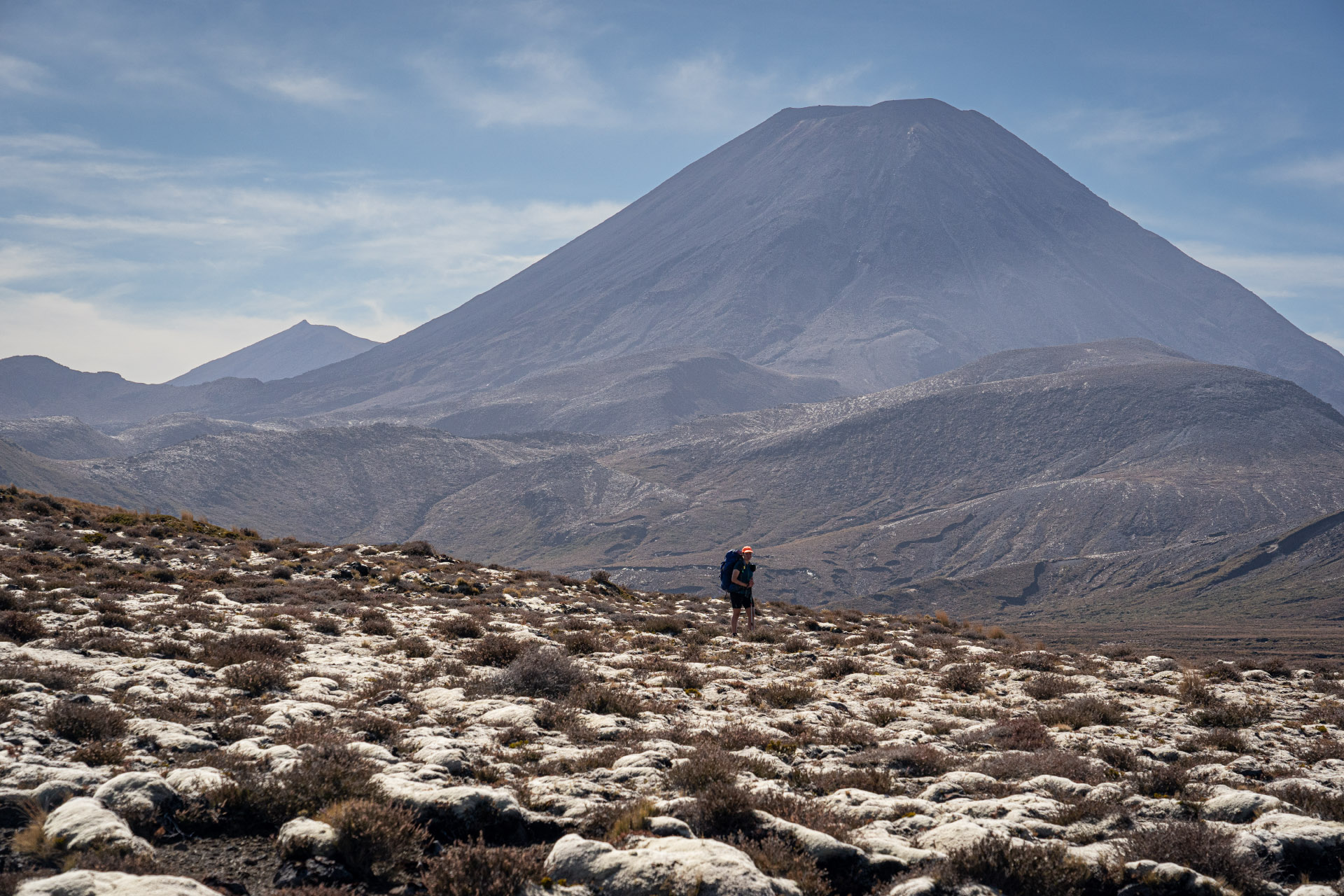
But well off to one side of the biggest, the scariest, most powerful, and most revered warrior god in the park, Ruapehu maunga, there is a sad and lonely little volcano who seems to spend most of his days gazing wistfully up to his much older brother. The sorrowful wee guy stands completely overshadowed by his tuākana, and is totally ignored by the thousands of travelers who speed uncaringly by in their cars.
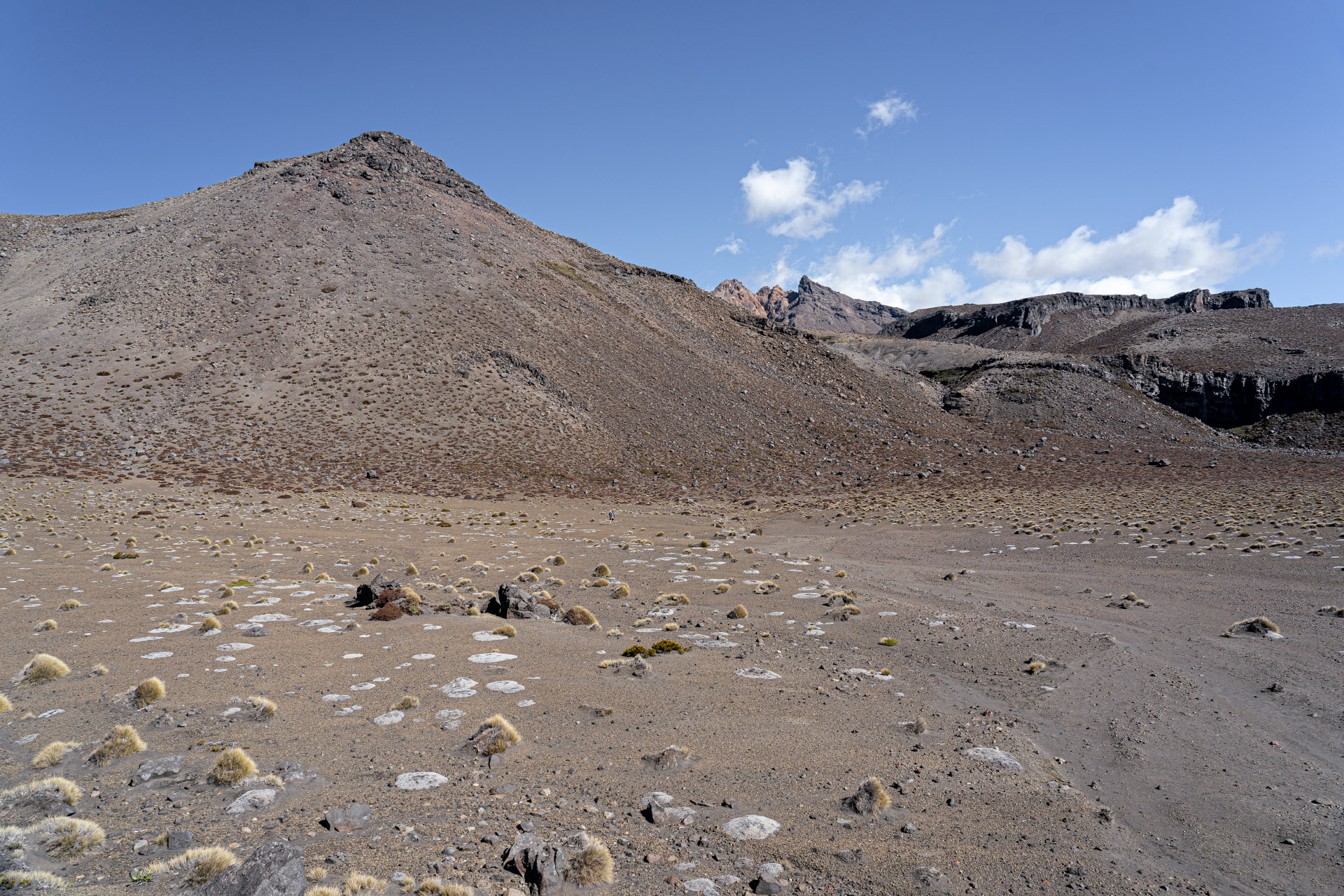
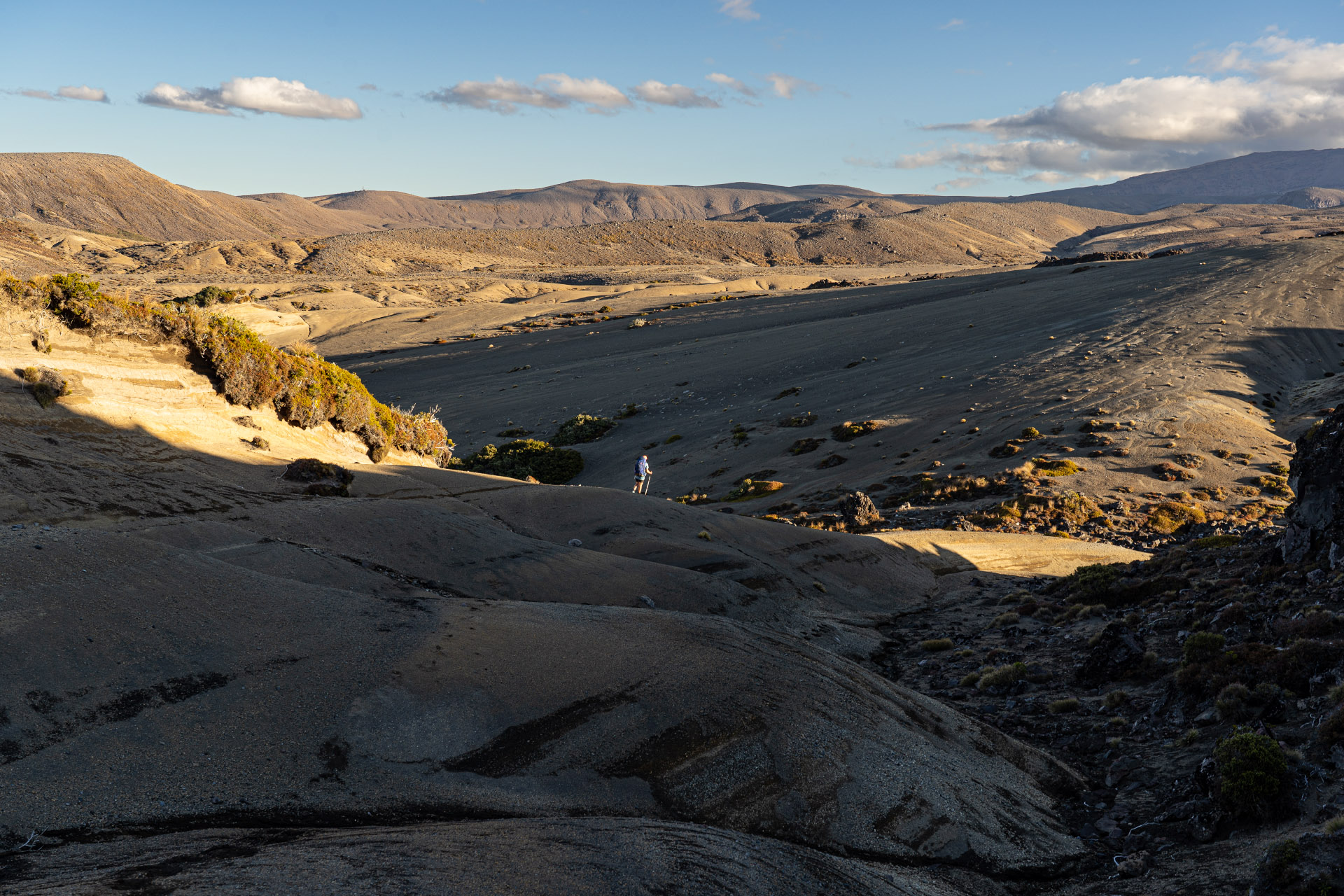
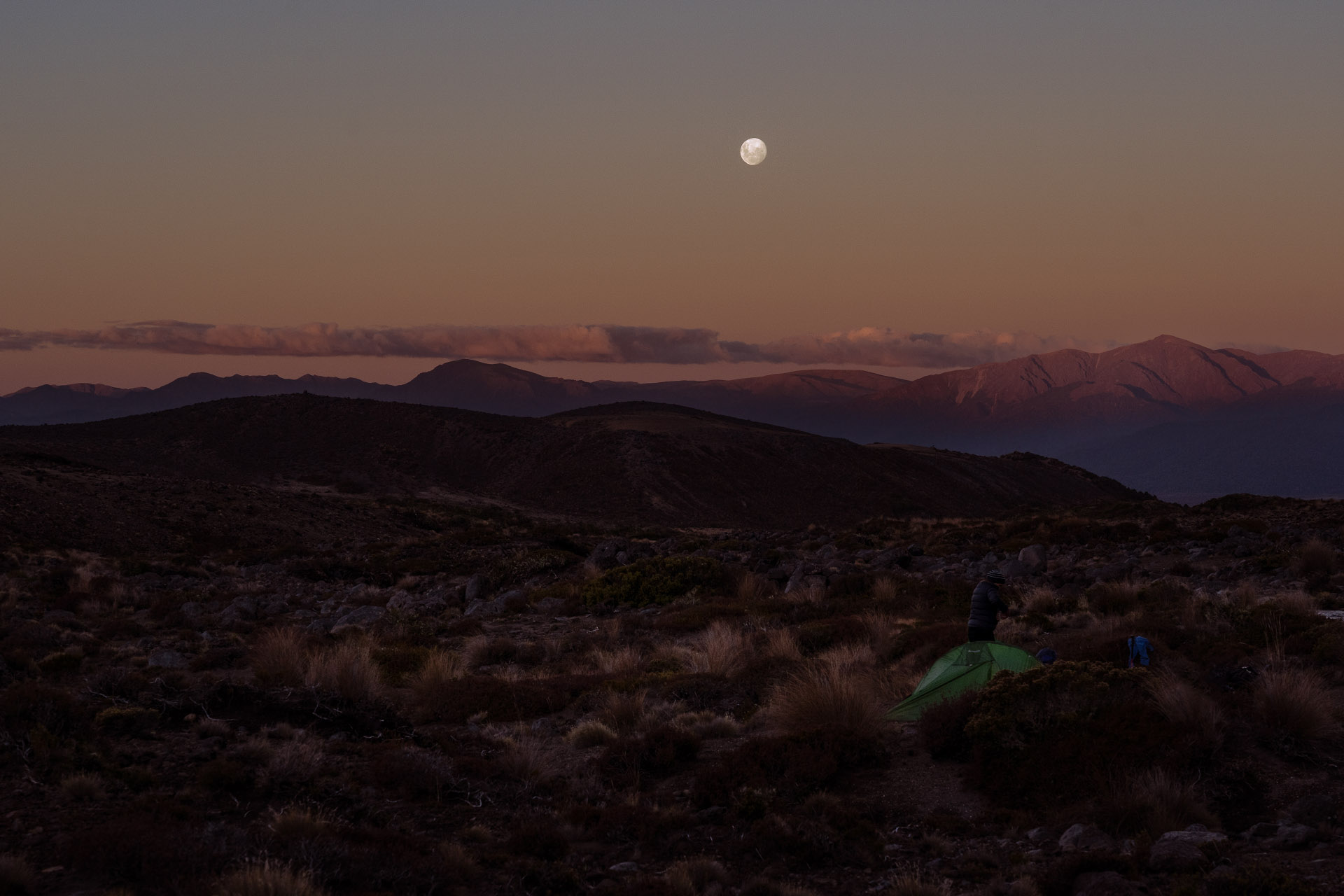
He does have a name—but not one recognized by the NZ Geographic Board. It’s Te roro o Taiteariki. But it’s not even really his name, it just relates to the Māori name for an important place nearby. Apparently, Te Roro o Taiteariki commemorates where Taiteariki (Tai te ariki), who was born in Tahiti in about 1275 and became an ariki in Rarotonga, got his brains (roro) knocked out (charming) in a land related skirmish in the Rangipo Desert.
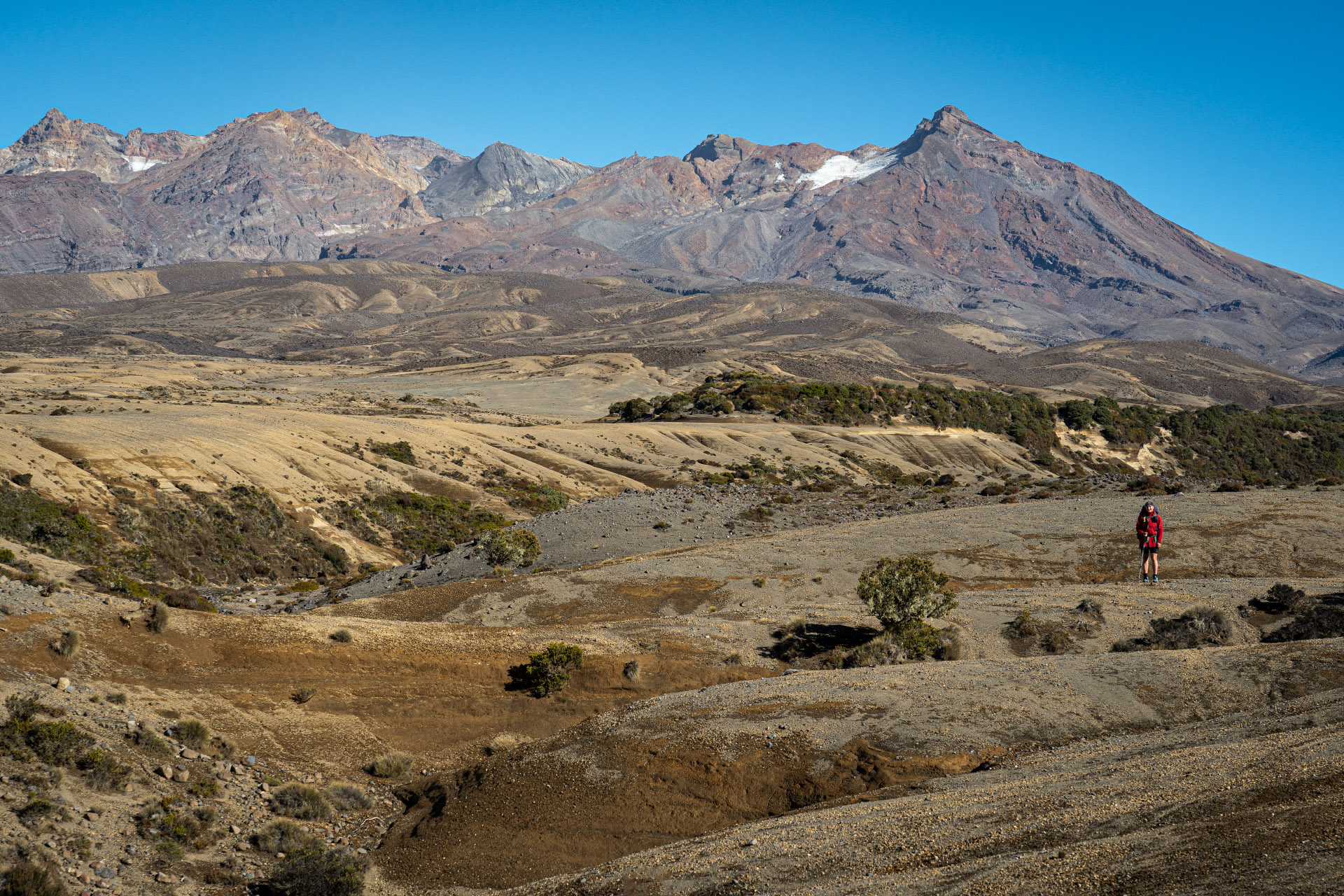
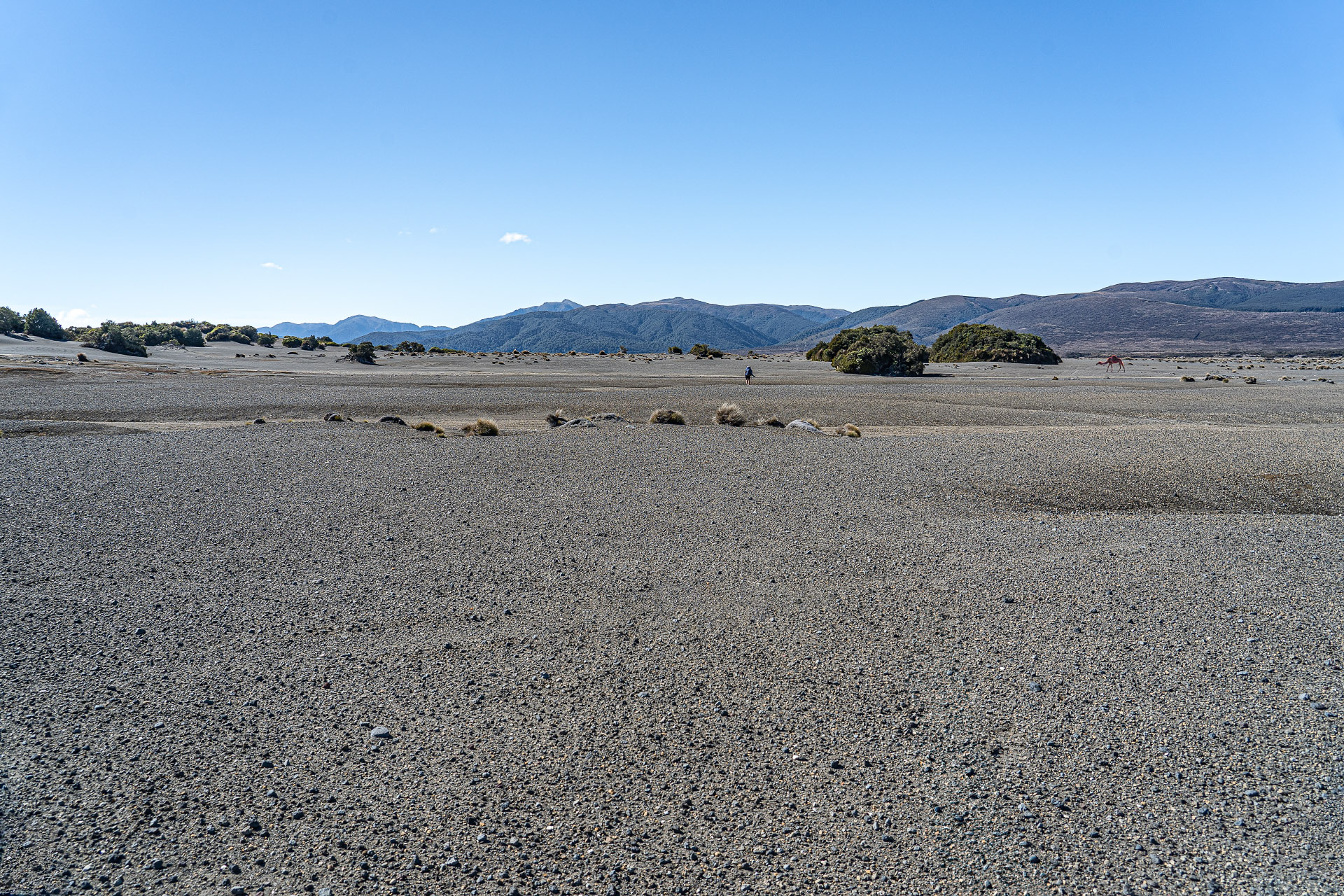
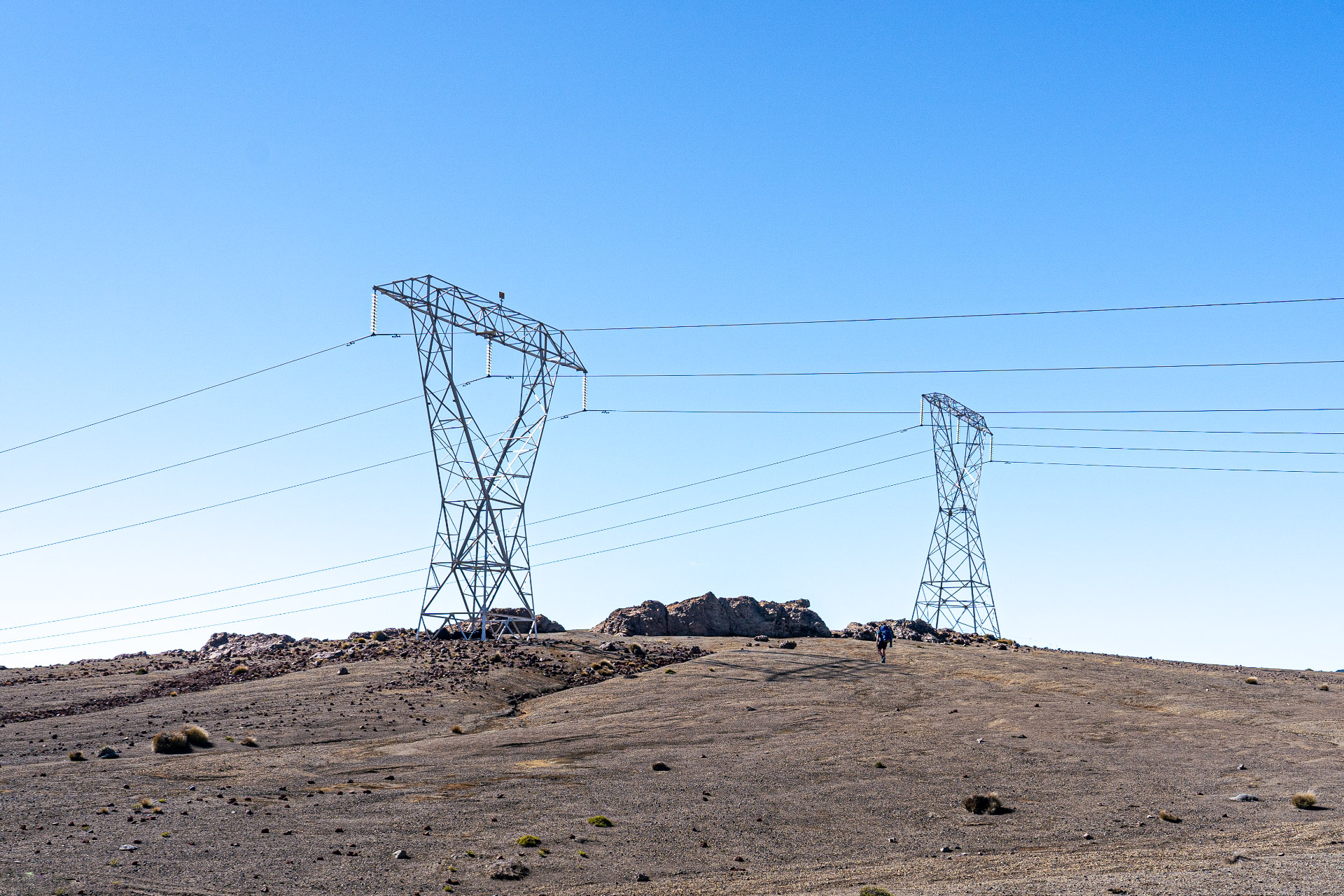
Even the little volcano’s age is uncertain, but he is younger than 20,000 years, and so is just a boy compared with others in his whānau. His only real claim to fame is that he is the lowest of the Tongariro Park volcanos. Barely topping 1,000 m he also has the ignominy of having had a couple of Transpower transmission pylons planted almost on top of his head!
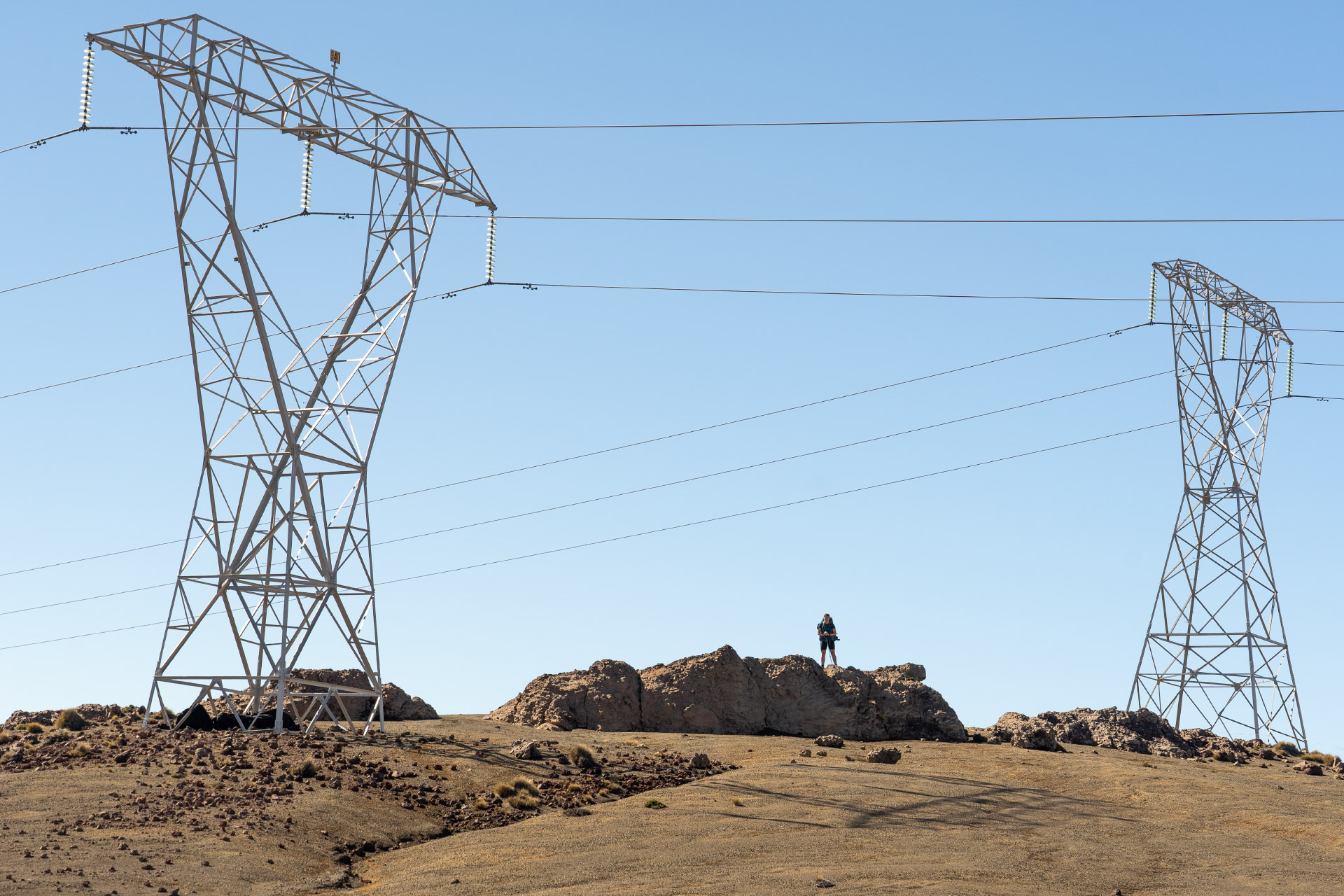
So, instead of heading for the highest and most glamorous peaks in the park it seemed like time to make a visit to the lonely little warrior, to say hi, and hopefully cheer him up a bit. And who knows, one day soon he may get an infusion of magma and develop some muscles like his big mates and then start causing a bit of bother in his own neighbourhood by throwing big boulders around and blowing ash into the sky.
Soon after posting this trip report there were some interesting comments. The first was from club member Harry Smith:
Congratulations! An epic achievement! This surely ranks up there with the ascent of Rumdoodle in the annals of mountaineering history! And launching the summit attempt from Iwikau village was clearly an inspired strategic masterstroke!
But I do wonder about the recorded history of this majestic peak. The date of the first Polynesian settlement of New Zealand is controversial but I believe current scholarly opinion puts it at about 1300, and the first settlers would have been few in number and largely confined to the coast, so it seems somewhat unlikely that a Rarotongan ariki born in 1275 would have been involved in a land dispute in the Rangipo Desert.
And I replied:
Well spotted Harry – and you are correct. The report at https://www.folksong.org.nz/waiouru_history/12_boundaries/index.html<states:
“Mapouriki” was previously known as “Te Roro o Taiteariki” because this place commemorates where Taiteariki (Tai te ariki), who was born in Tahiti in about 1275, became an ariki in Rarotonga, and got his brains battered out on the the Rangipo Desert at Onetapu.
But given the dates his death couldn’t have been over a land dispute with colonialists and the document at http://www.jps.auckland.ac.nz/document//Volume_82_1973/Volume_82%2C_No._4/Ngati_Rangi%3A_Whiro%26apos%3Bs_family_at_Murimotu%2C_North_Island%2C_New_Zealand%2C_by_R._A._L._Batley%2C_p_343-354/p1 confirms this:
According to Aropeta Haeretuterangi’s evidence 1 in the Murimotu Block hearing in 1873, Taiteariki was killed by Houmea at Te Onetapu.
So seems Taiteariki had his brains ‘battered out’ by the bros. We didn’t find any evidence one way or the other.
And at least we climbed the correct peak without 3,000 porters contrary to Sir Hugely Havering’s expedition.
Shortly after Rawiri W Teikatauirangi Petaera commented with the very concise:
Taite ariki
To which I replied:
Thanks for your reply to the story ‘A successful ascent of Te roro o Taiteariki’ suggesting that Taiteariki should not be a compound word but rather two separate words.
I was unsure of this when I wrote the story as it seemed Taiteariki’s original name was Tai te ariki.
Māori names can be separate words or compounded depending on their origin and cultural significance. In the case of “Taite ariki,” it is appropriate to write them as separate words unless there is a specific reason or convention to join them together.
But the document mentioned in a reply above at
http://www.jps.auckland.ac.nz/document//Volume_82_1973/Volume_82%2C_No._4/Ngati_Rangi%3A_Whiro%26apos%3Bs_family_at_Murimotu%2C_North_Island%2C_New_Zealand%2C_by_R._A._L._Batley%2C_p_343-354/p1
gives the spelling consistently as Taiteariki so I used that.
So there seems to be three possibilities: Tai te ariki, Taite ariki and Taiteariki.
It would be interesting to hear more on why you used two words.
There was no reply to the above but shortly after Steven Bell wrote:
Tai-te-ariki* was the son of Whiro-tupua** the Polynesian explorer who landed on Ōakura beach and adopted by Tangiia-nui (both of whom had built a stone marae, on different islands, which have been both carbon dated to the 13th century).
Tura and Rotuia, sons of Houmea, killed Tai-teariki, they were his 2nd cousins twice removed (Tai-te-ariki’s 3rd great-grandfathers great grandson – via Moe-Iti-iti****). [[I do not know the reason, but if I had to make an assumption, his father Whiro-tupua purported killing of sons in the homeland may have contributed]]
Tai-te-ariki descendants were of the tangata-whenua original peoples of Aotearoa, he is the ancestor of the Rarotongan Pā Ariki family, Ngāti Rangi, Ngāti Hāua iwi, and others here, and in Rarotonga.
His descendants were mostly noted and known as a people of peace, whom his descendant Paerangi***** was so peaceful that he was made an atua, and founded the Wānanga at Ruapehu up until Pākehā colonization in the 19th century. His descendants intermarried with tangata whenua Ruatapua descendants whom were more warlike, and others, and then the people of Turi.
*Te Ariki-upoko-tini (Pa-te-ariki-upoko-tini) ← Tai-te-ariki
**Whiro-/te-tupua/tipua-o-mana-o-tu. Iro-nui-maoata. Hiro -Arumaerau. Hilo. Hua. Kupa. Whirotipua.
***Tangiia-nui ← Rangi ← Uhenga / Te Euenga-ariki / Are-vananga / Te Ariki-tara-keu-ki-te-rangi.
****Mō- -Uruuru/Uriouri/Uriuri. Mou-Uru-uru / Moe-Iti-iti (Moe family).
*****Paerangi -atua- o te Maungaroa [Moungaroa] / Paerangi i te wharetoka / Paeranga I
Who could have guessed a walk to an unimposing little volcano could be so enlightening.
Trampers: Sarah Fisher and Tony Gazley
Date: April 2022.
Original Publication: This article was originally written by Tony and published on the Wellington Tramping & Mountaineering Club (WTMC) website. You can view the original post at www.wtmc.org.nz