Protecting Whio | The Fight for Survival in the Ruahine Range
A 3-day hike in the Ruahine Range rebaiting predator traps protecting the threatened whio (Blue Duck). The story describes the tireless efforts of dedicated conservationists to protect the birds, and includes a route guide and photos.
If you want to save a species, it’s a fight forevermore. You can never turn your back.

Trapping has taken me so many different places since 2021 when I first began volunteering on a trapline in my local bush reserve, Waimapihi.
Over the last few years I have added another two traplines to my Waimaphi trapping portfolio; partnered up with a friend to do a longer trapline in Remutaka Forest Park; and ventured further afield to help with trapping on the Tin Range on Rakiura/Stewart Island for the protection of the critically endangered Southern Dotterel/Pukunui and spent a week at Burwood Takahē Recovery Centre.
Trapping has been so rewarding because not only have I been able to give back to the places I love so much to help protect their flora and fauna but I have gained so many skills and met some very inspiring people.
Lisa Whittle and Geoff Whittle are two of these very inspiring people. They are conservation legends who have been working tirelessly to protect the whio in Ruahine Forest Park for many years.
The whio/blue duck is endemic to New Zealand with a conservation status of threatened/ nationally vulnerable, and are rarer than some species of kiwi. It’s a bird I have always loved because of their distinctive calls and the way they paddle up and down the fast-flowing rivers that is their home.
I had been talking to Lisa about getting involved with their Mauri Oho Ruahine project and we got a good weather window over Labour Weekend to head up to the Northern Ruahine to do the more challenging line that they call the “Apias”, starting from No Mans Hut and heading down the river to Mistake Biv and following it all the way down to Ikawetea Hut.
After staying in Ongaonga on Friday night, we began Saturday with a few challenges. On the the drive up to No Mans Hut, a big fallen tree blocked the entire road and we spent 5 minutes working as a team to shift it. After dropping Geoff off to do the trapline along to Dead Dog and Herricks Hut, the Ute’s key snapped in the ignition, but luckily Andy managed to jimmy it up with a screwdriver head that somehow fitted perfectly and started the vehicle so we wouldn’t be stranded after all.
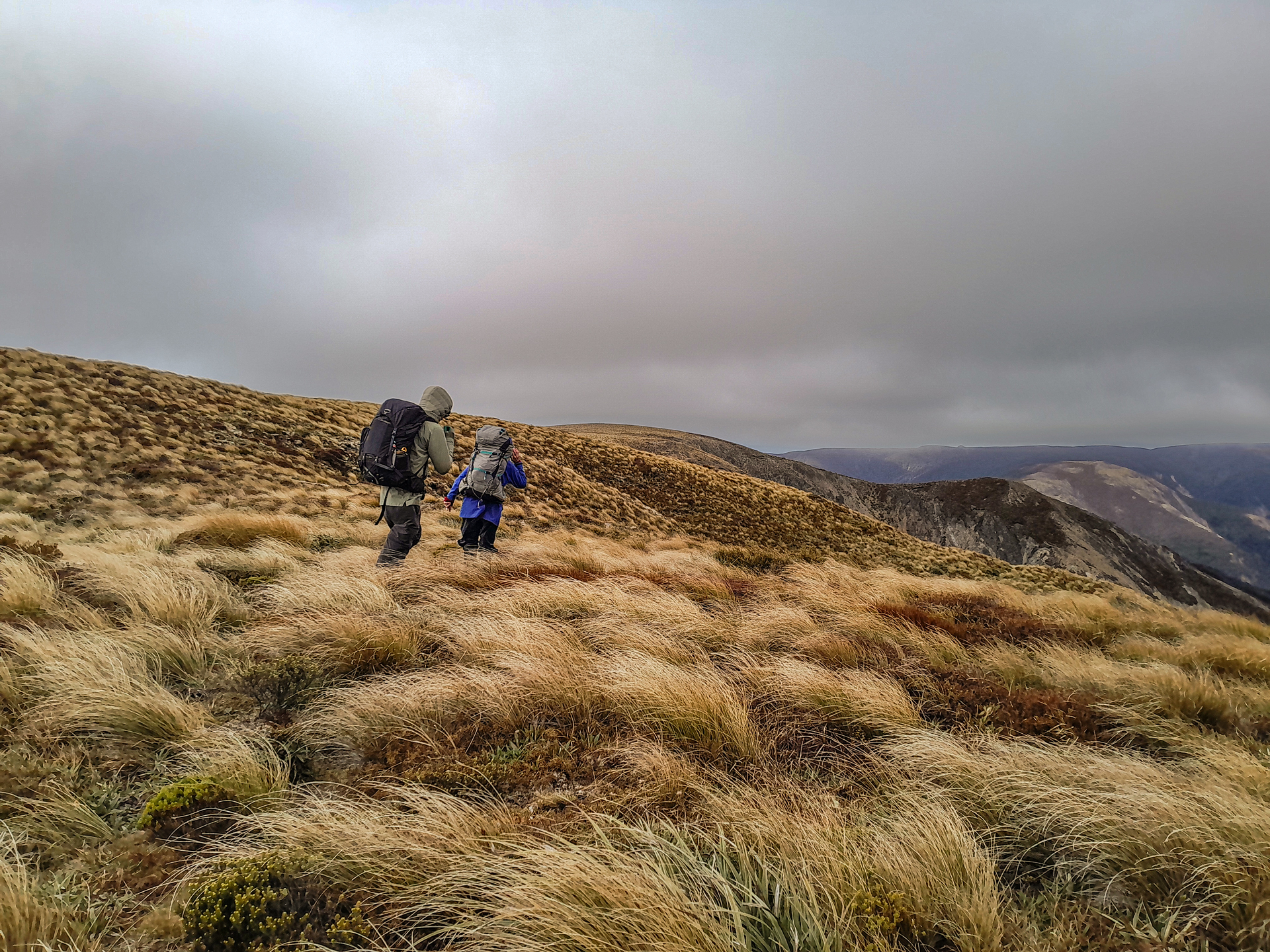
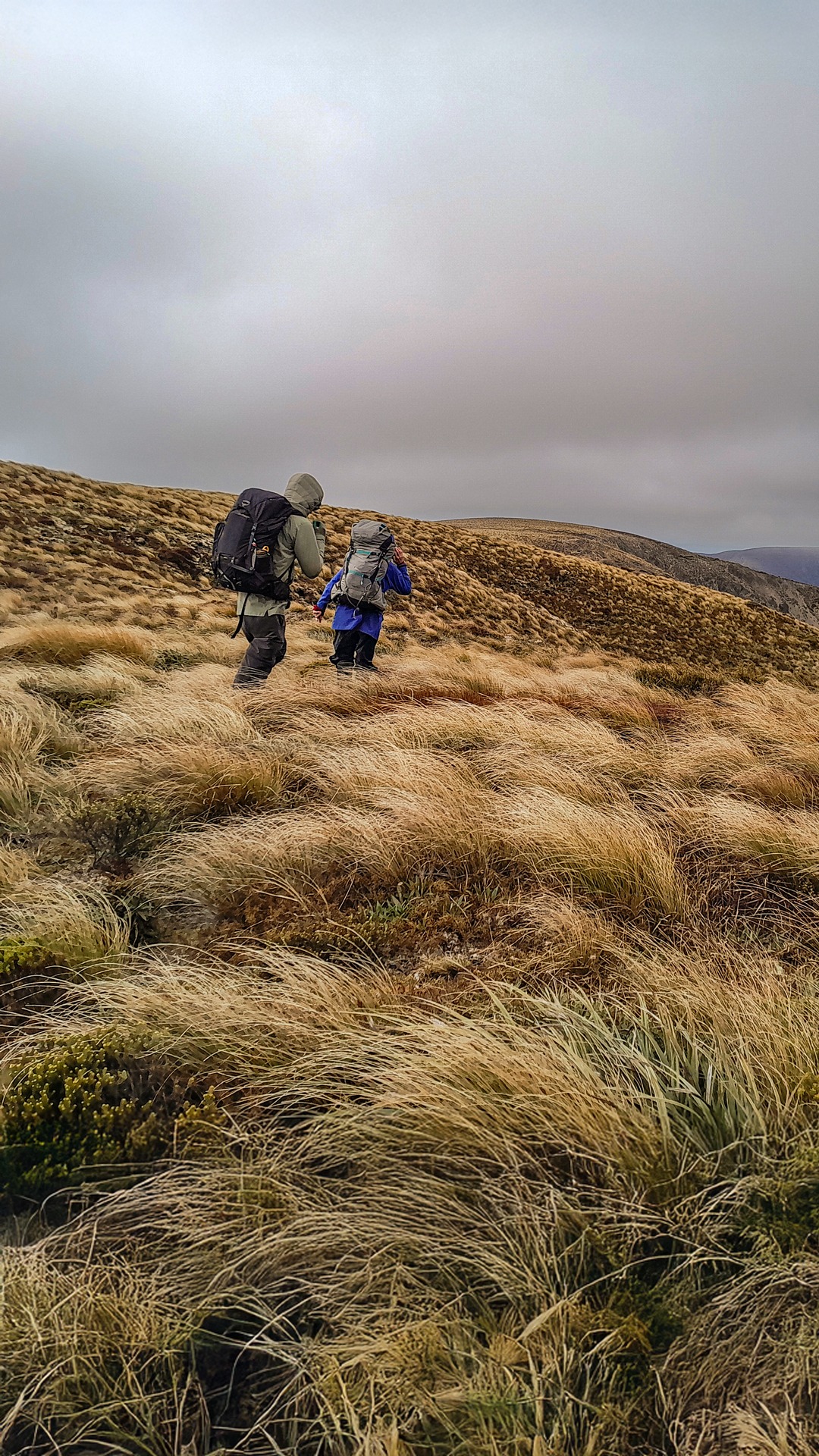
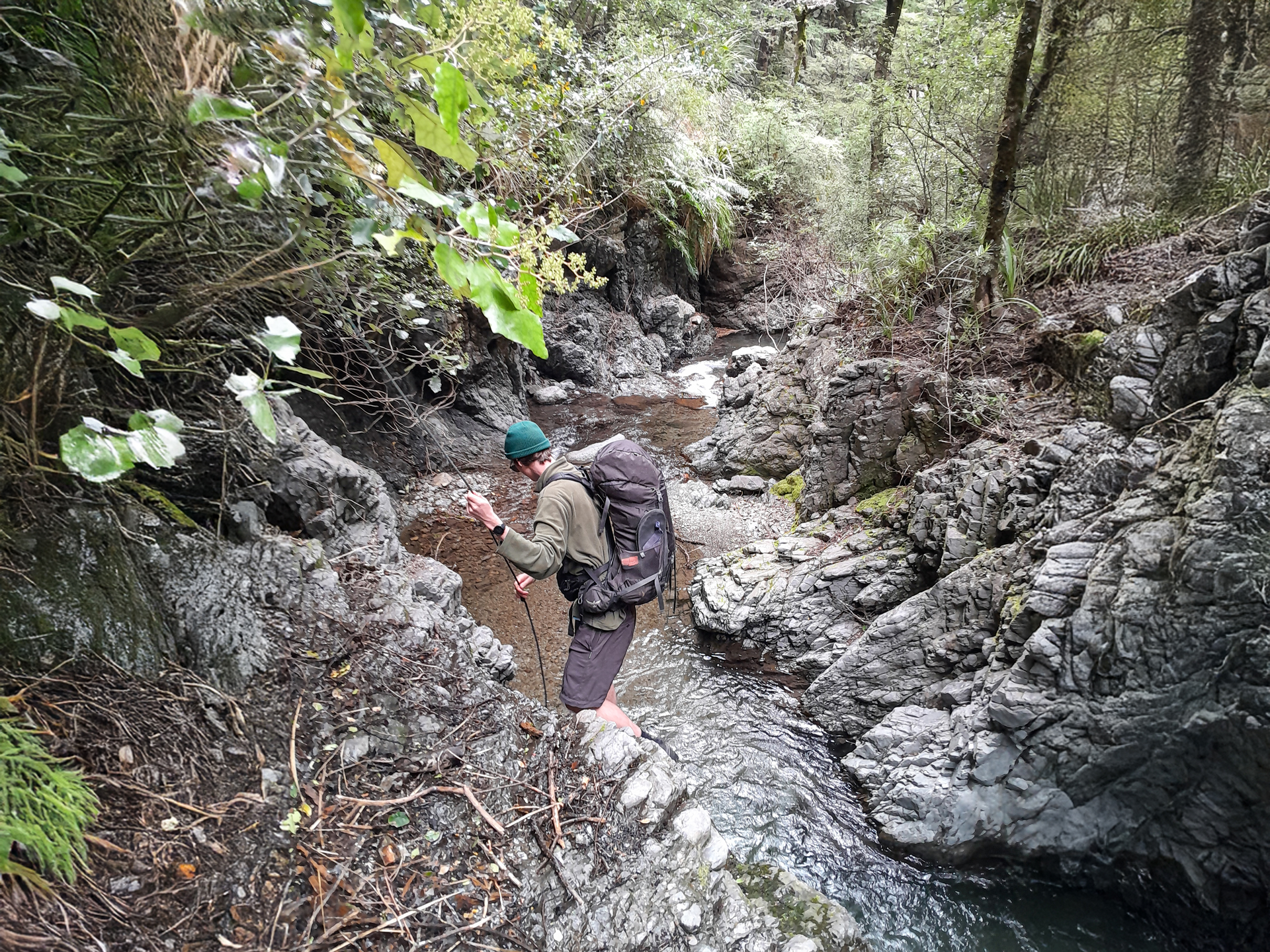
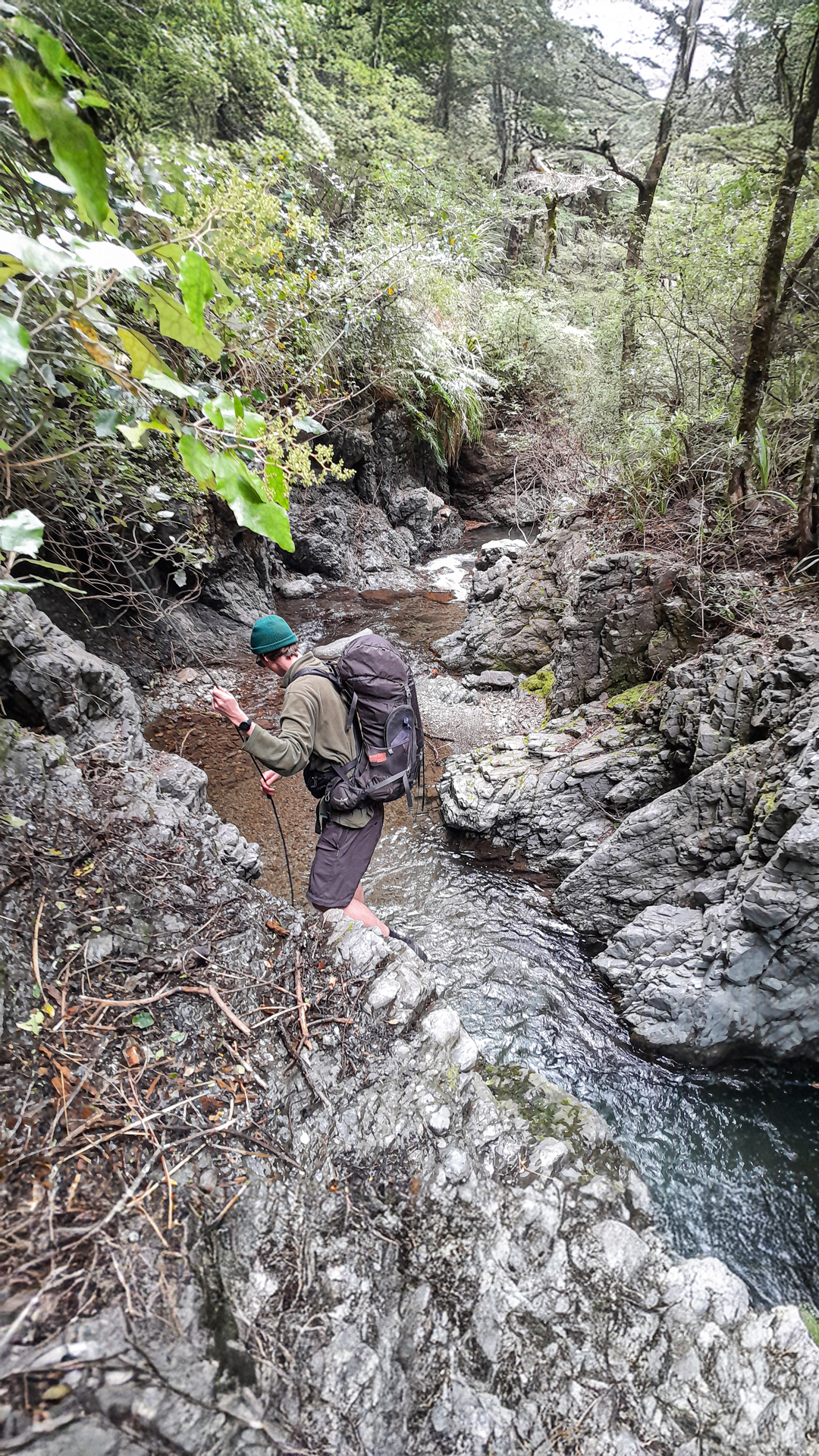
We started off from No Mans Hut along the wind-blown tops before dropping off the spur to the creek to start the Apias line and began checking the DOC 200 traps spaced every 100m down the valley. I enjoyed a fun scree slide before unexpectedly finding a rope to assist me down a small drop into a waterfall.
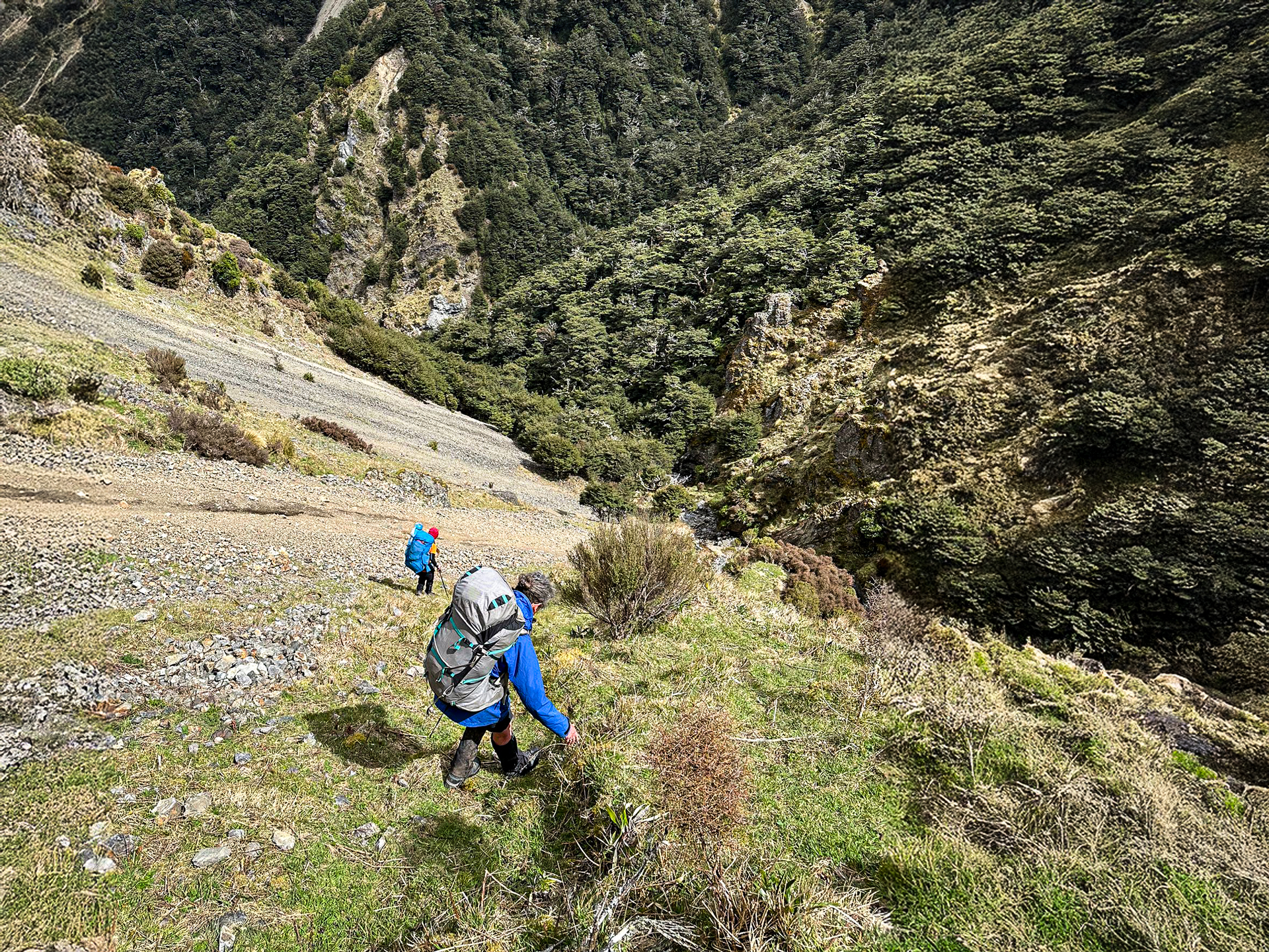
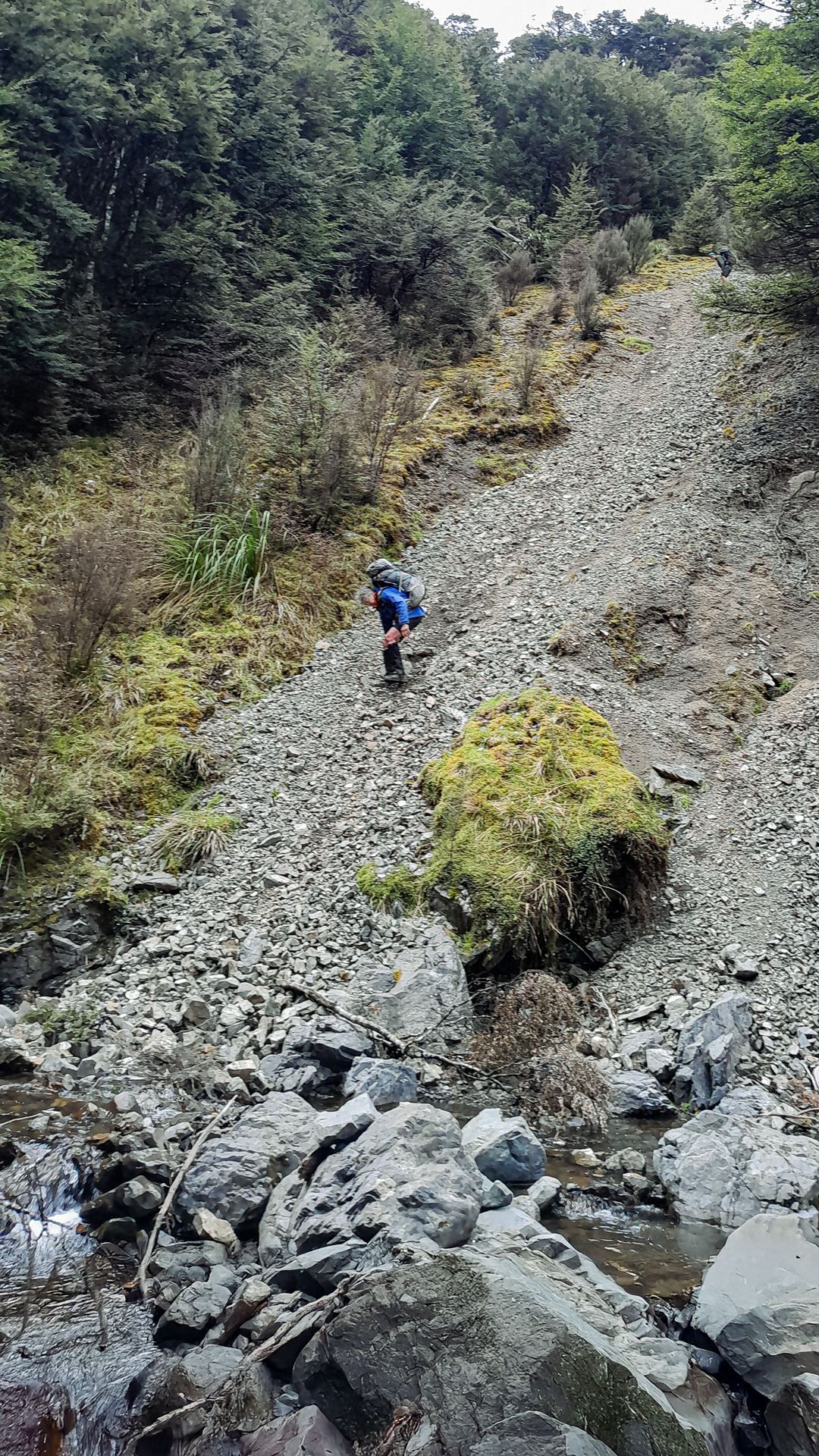
Lisa and Andy, who were behind me, were much more sensible and handed packs down and made a much more elegant job of it. I was very glad they hadn’t seen me going down it—I slipped and smashed my elbow hard against the rock which caused my pack to tip and send my drink bottle flying into the pool below—luckily managing to rescue it before it got swept downstream.
A few of the traps had disappeared with Cyclone Gabrielle and we had A24 traps to replace them. I had never worked with A24 traps before but I had Andy from Goodnature to teach me. Lisa compared putting the automatic paste pump into the trap’s lid like a ‘cauliflower.’ For the rest of the trip I referred to the automatic paste pumps as ‘cauliflowers’ and suggested to Andy that perhaps he could get Goodnature to rename them.
As we did more traps we got more efficient at leapfrogging each other and soon we were at Mistake Biv picking up more supplies.
By now we had seen a number of whio including a family with five ducklings. Lisa was very happy to see the large number of ducklings as after Cyclone Gabrielle she said the whio seemed to be having smaller families while the river recovered after the flood.
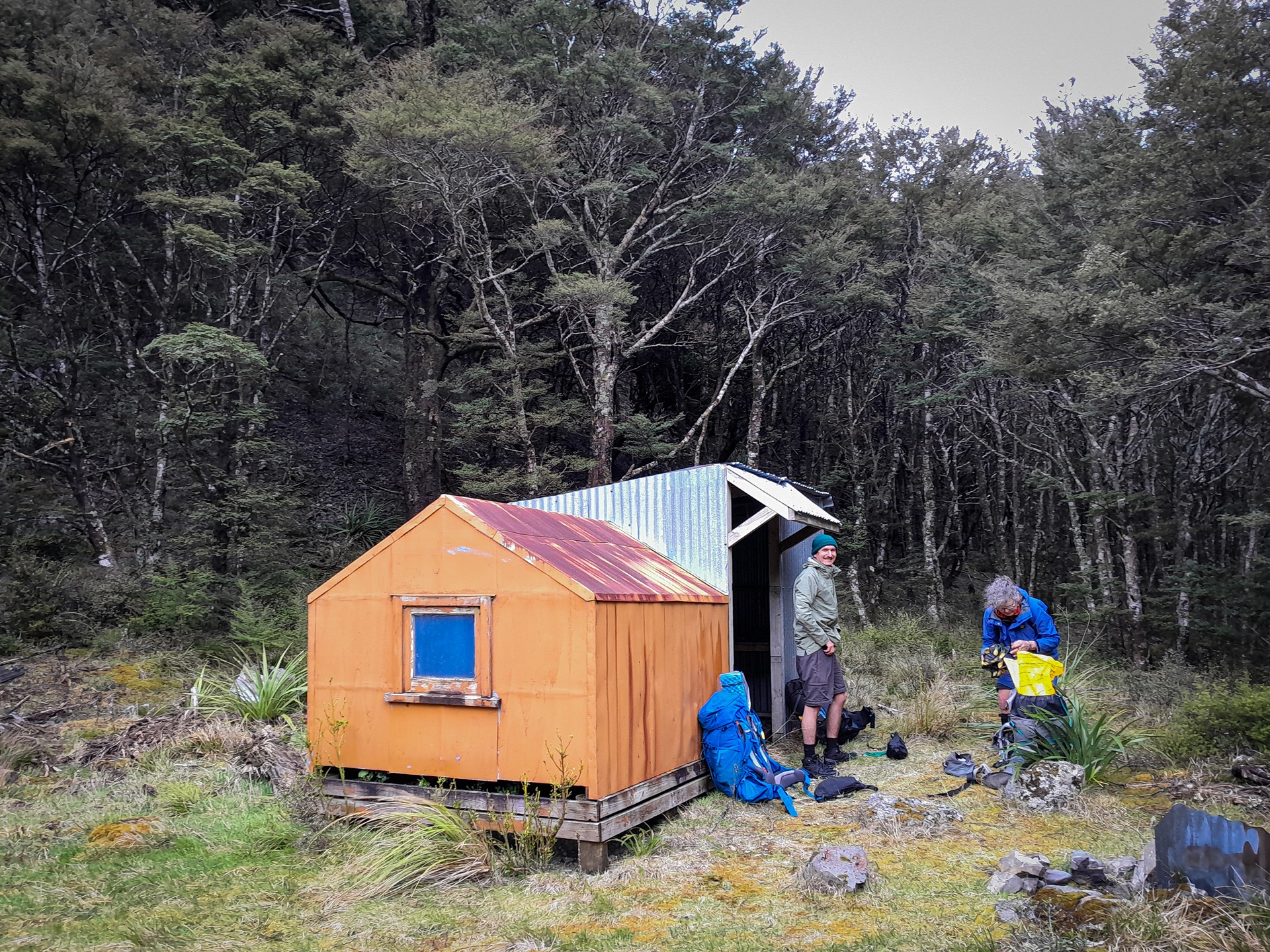
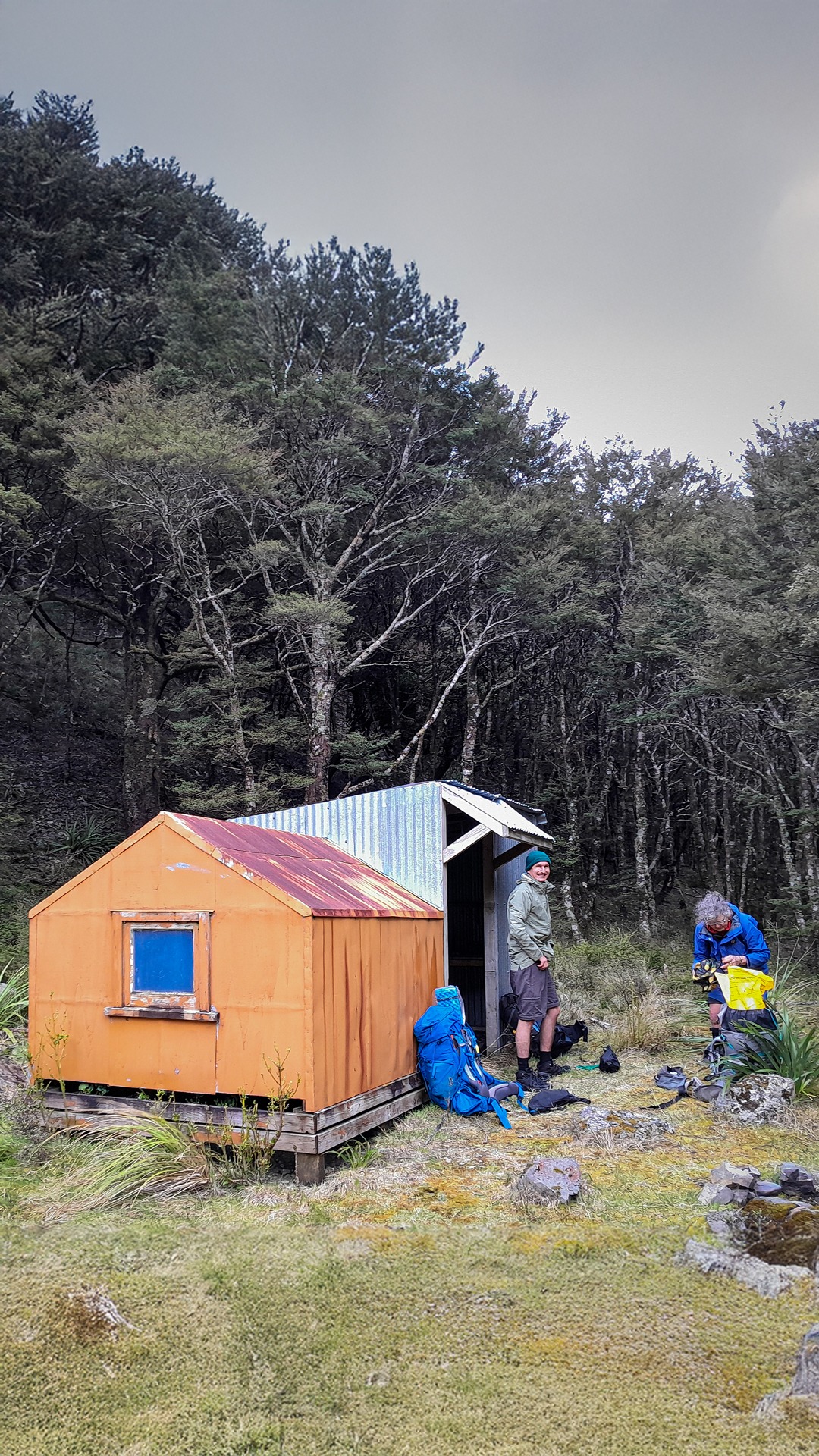
We rolled into Rockslide Hut just before 6:30pm. It had been a great day and I had really enjoyed the terrain we had covered along the way which was a variety of rock hoping and a few sidles up rocks and steep banks aided by ropes.
Lisa and I put up the tent since the hut already had some people in it. Unfortunately, the wood pile outside the hut had taken the prime camping spots and with limited space we were on less-than-ideal ground. I realised that my side of the tent would have a massive tree root protruding into my back all night.
While I’ve had many nights camping in interesting spots, I decided to call it quits and grab a spare bunk in the hut as the hunters there had cleared some space for us.
Sunday saw us continuing down the river towards Ikawetea Hut.
There were more whio ducklings happily paddling along the river. Despite the strong wind, we were very sheltered in the valley and enjoyed the sunshine as we checked the traps. Before getting out of the river, we had to skirt around a log jam through deeper water that was mid-thigh deep.
We stopped for a late lunch at Ikawetea Hut and experienced a variety of weather. One minute we were enjoying the hot sun then the next minute it was hailing.
We escaped into the hut to put on storm gear only for the sun to come out again! Before leaving. I checked the double trap there and hit the jackpot with a rat in each end of it.
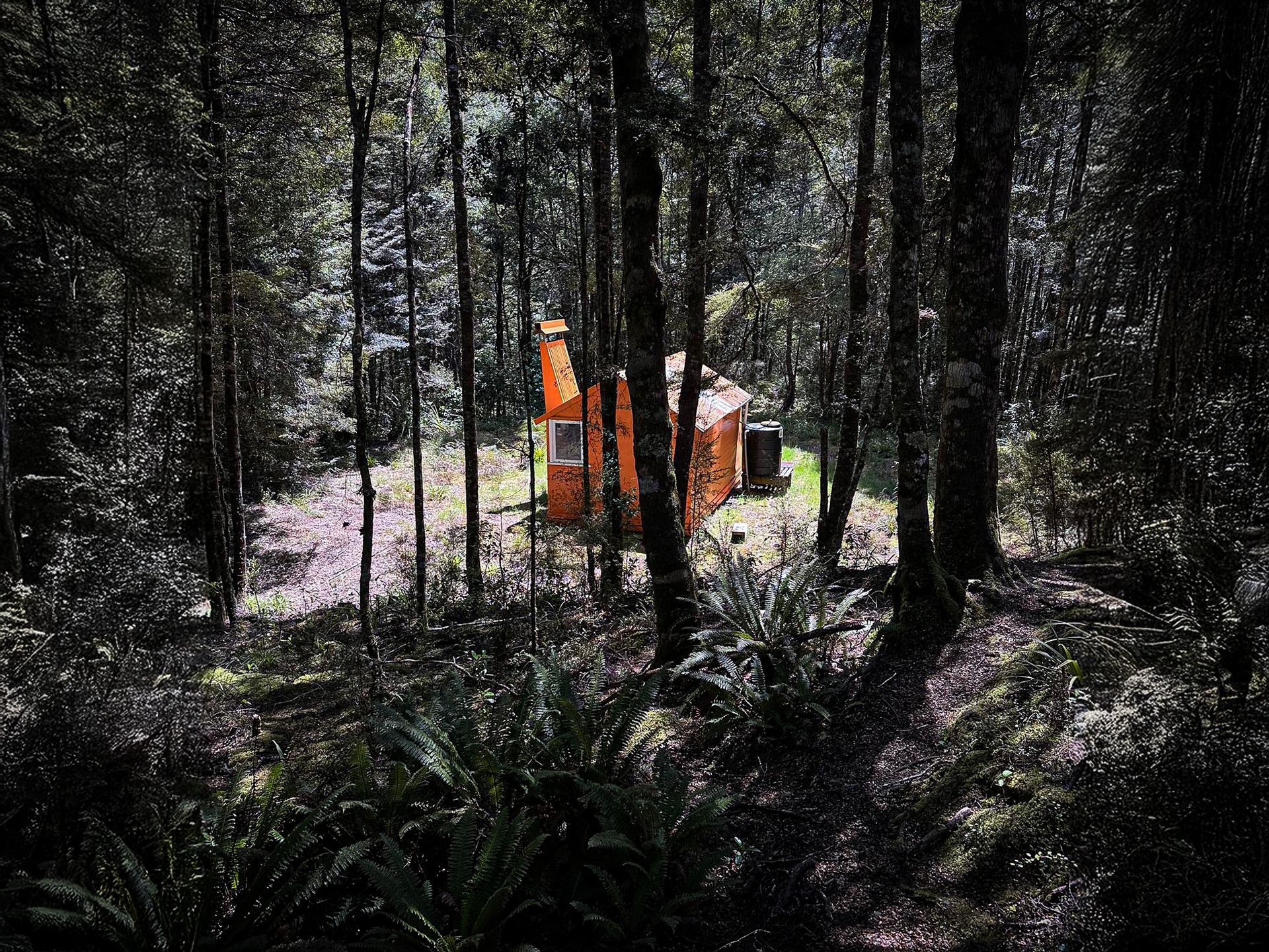
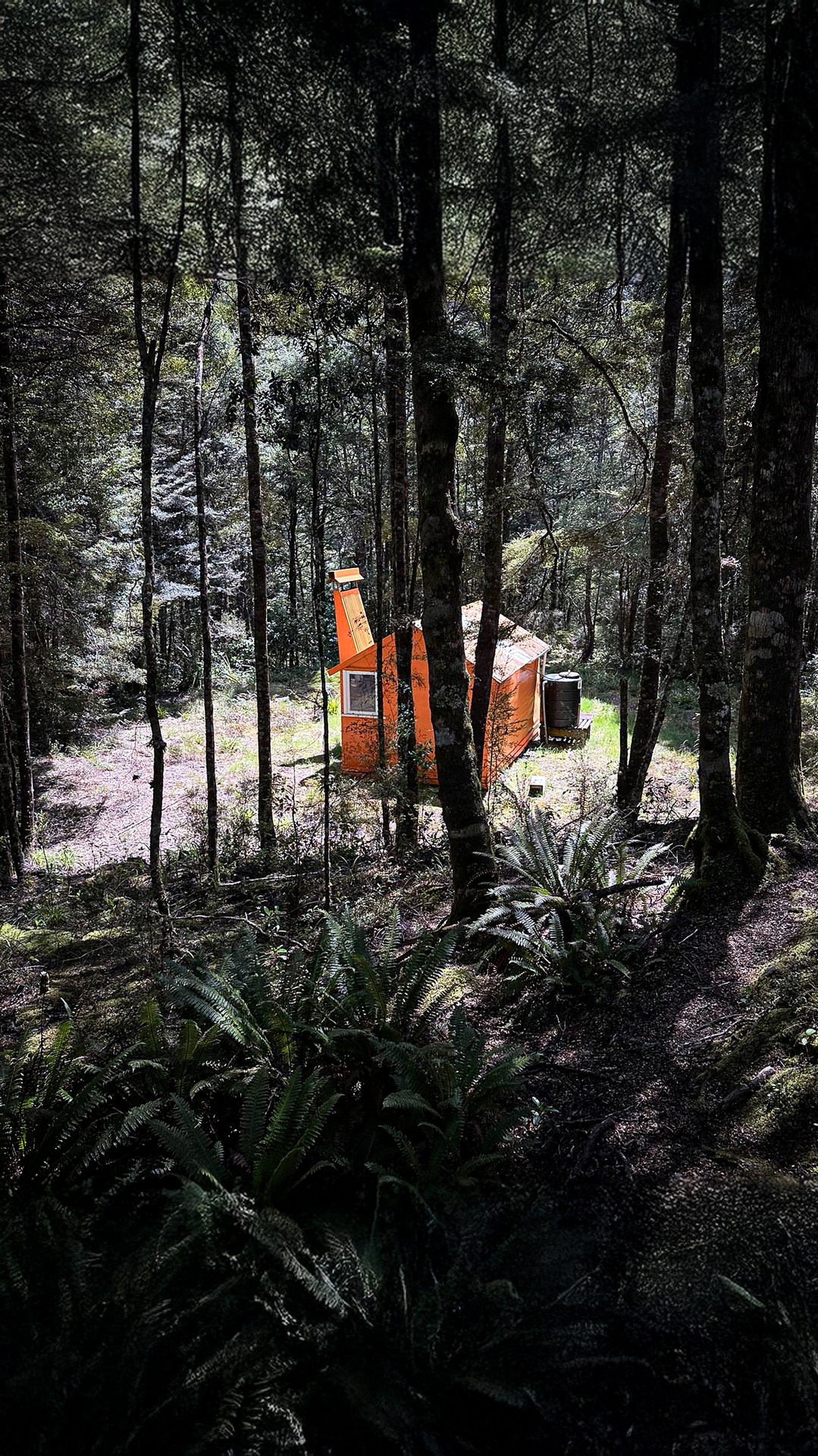
Crossing the river to start up the hill we saw two older whio ducklings go paddling past bringing our total to 17 ducklings over two days.
A weasel and a number of rats later, we decided to call it a day and camp the night at a place Lisa and Geoff refer to the ‘Slice of Heaven’ campsite that is past point 936 and off track near a little stream.
With the wind forecasted to pick up later that night we did a good risk assessment of the trees and branches above us – I’m always very cautious of that when picking a campsite especially since I’ve had a tree fall down on the roof of the hut I was in once.
On Monday morning, we were back to climbing up the ridge. Lisa had said the day before that it is a relentless climb and on Monday morning and I realised she wasn’t exaggerating. It was indeed a steep climb although we got regular breaks with stops to check the traps.
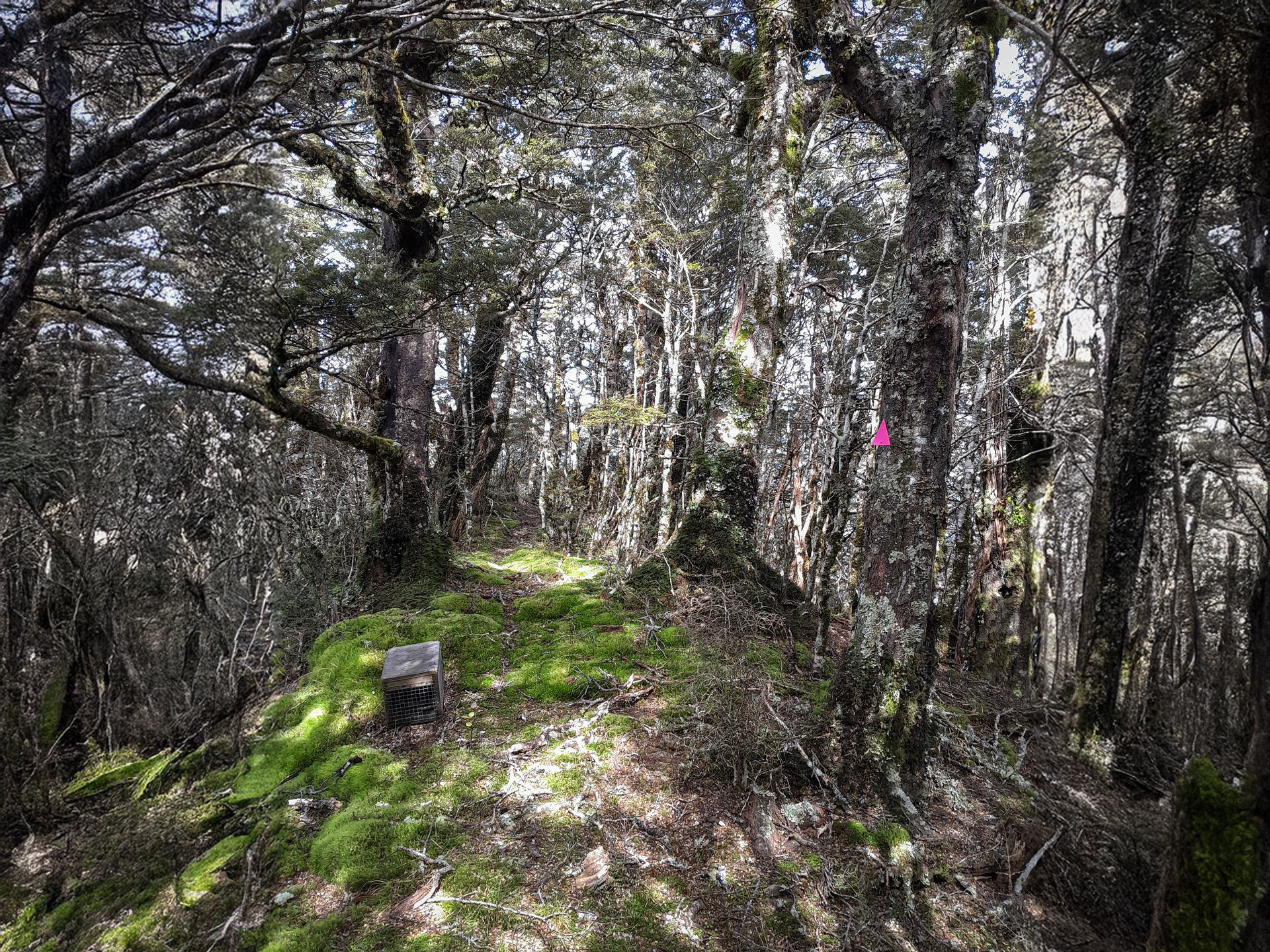
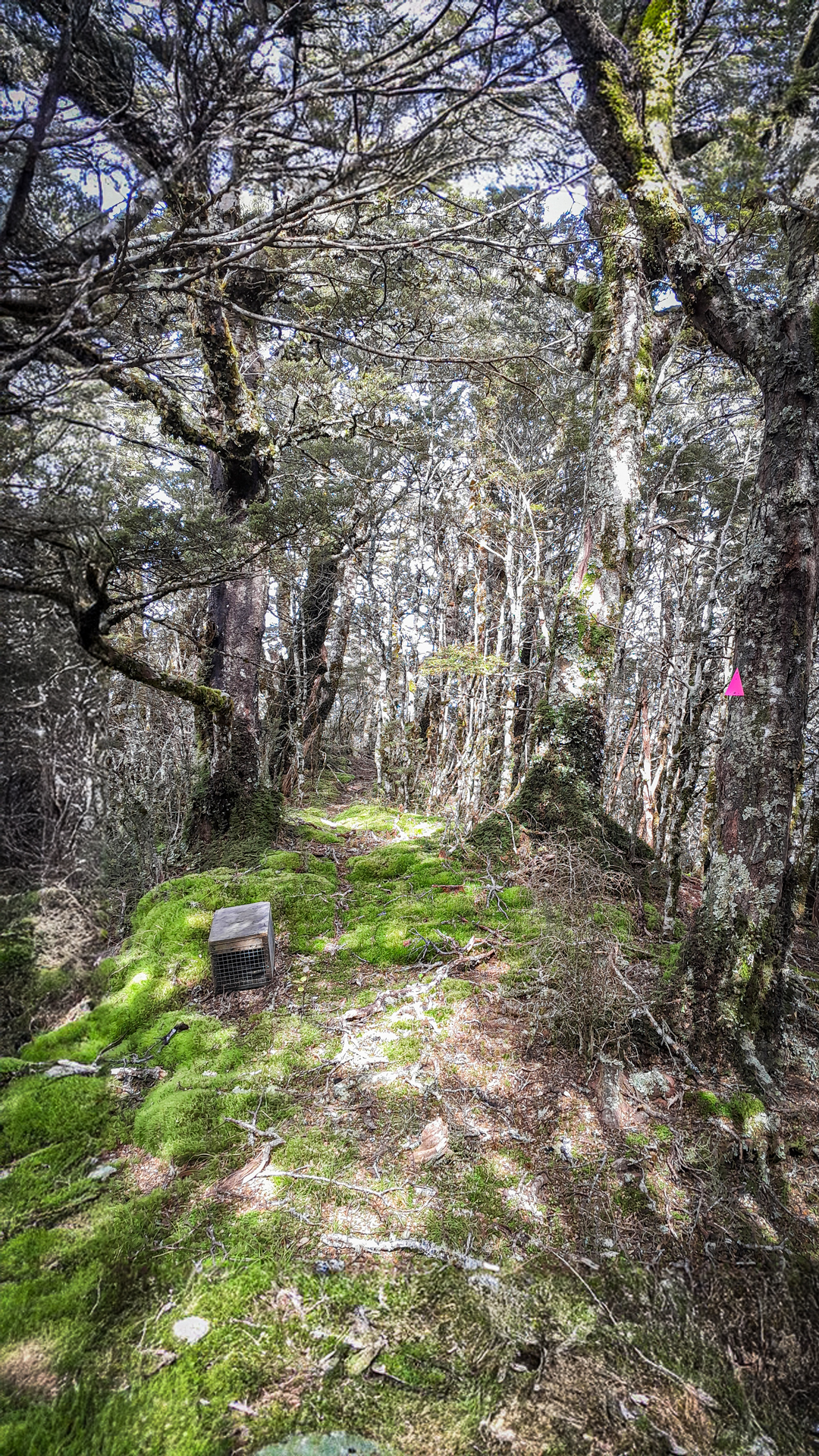
I referred to it as ”Hedgehog Hill” after all the hedgehogs in the traps on this ridge. Just below the bushline we stopped for a break and to layer up before heading out into the strong wind.
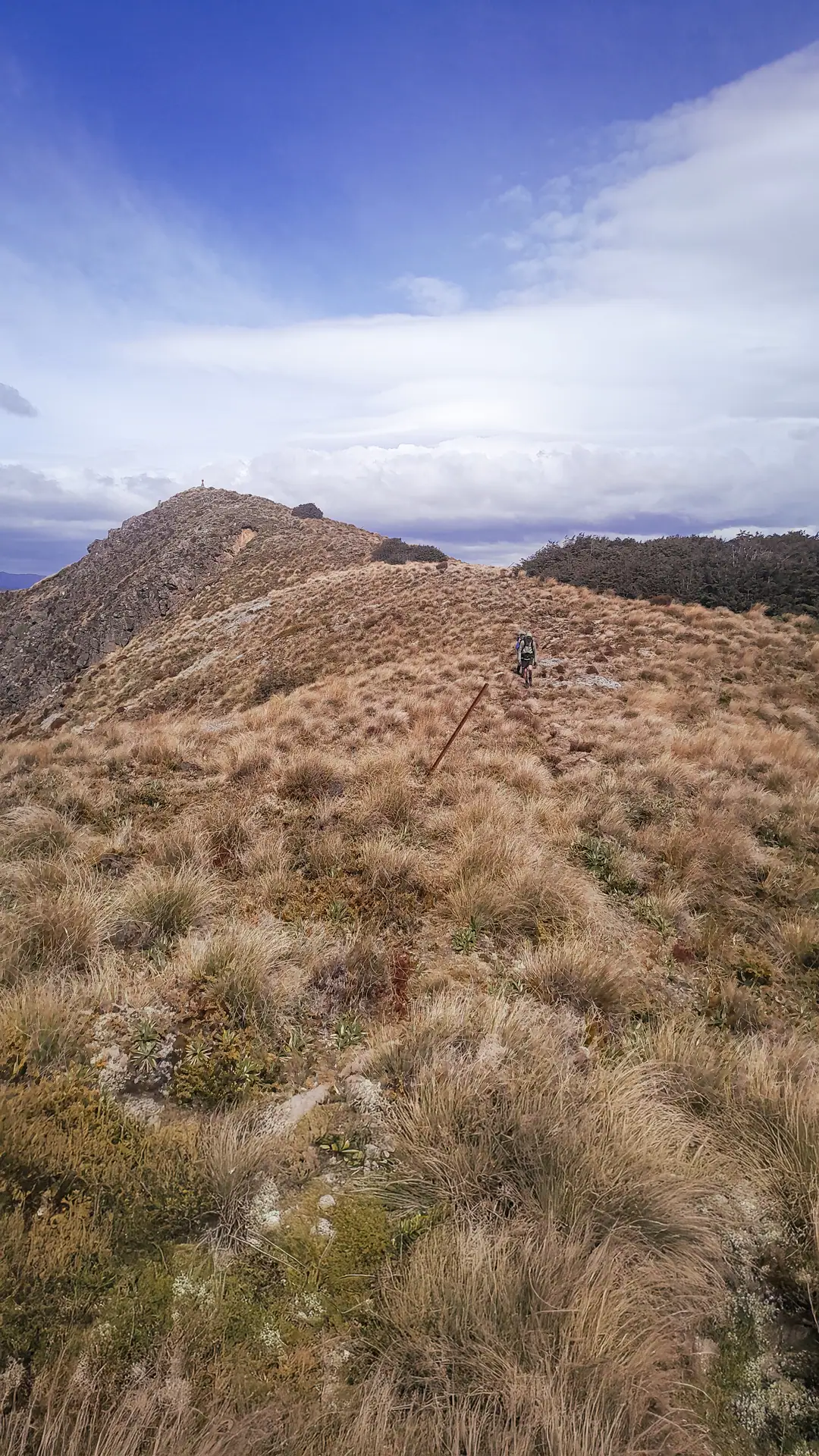
Luckily the wind didn’t seem to be as bad as forecasted and we could actually enjoy the views along the Range from the tops with the good visibility as we looped back around to No Mans Hut over Tauwharepokoru.
It was a wonderful three-day trip with really varied terrain and amazing to see Mauri Oho’s Northern Ruahine Biodiversity Recovery Project in action.
I was in awe of how much volunteer time and love has been given back to help protect the Ruahine Range biodiversity especially the whio and North Island eastern brown kiwi. It’s staggering to know there are over 50 km of traps but also shows what can be achieved with dedicated community effort and so many different groups working towards a common goal.
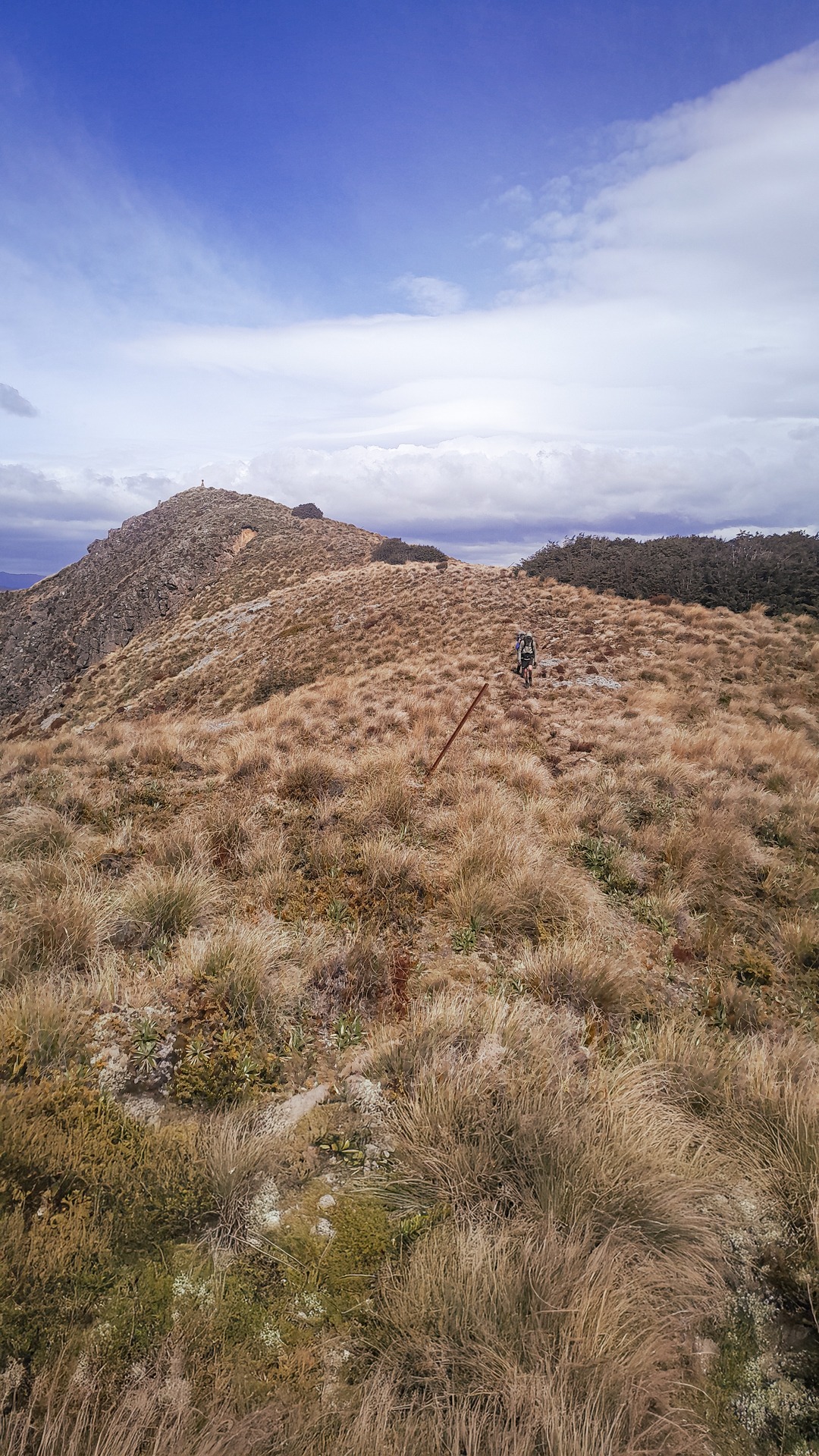
Looking after our precious native species is an ongoing challenge and can be really heart-breaking at times when it feels like an uphill battle all the way. But we must keep fighting and be as resilient as our native birds because even just one rat or stoat can cause so much destruction.
A quote from DoC that has always stuck with me is, “For every conservation success, there are also losses—it is not simply a number’s game. Catching 50 rats means nothing if the 51st finds the colony. It is not what you catch that ultimately counts; it is what you leave behind.”
This is why so much effort is going into intensive trapping across New Zealand including the Ruahine Range.
We’re aiming not just to hold the line against predators anymore but push that line right back until we achieve eradication so we can insure the future for our native taonga species.
It’s a big goal but we can’t afford to be anything less than ambitious if we want to succeed and the improvement in the whio population over the last few years is testament to the volunteer efforts of so many people.
Volunteer trapping is something I would really encourage everyone in our club to get involved in. We need more fit volunteers to get into traplines in the Ruahine Range.
You get to go tramping and do beneficial trapping work along the way.
The whio population will only be sustainable with continued trapping efforts and will be especially vulnerable the next few years after this summer’s beech mast event.
Another Ruahine trapline story.